
Ready to press transfers are revolutionizing the custom apparel industry, making personalization quicker and more accessible. With a vast array of designs and the convenience of heat application, businesses and DIY enthusiasts alike can create stunning, customized pieces in a fraction of the time traditional methods would take.
What's in this article:
The appeal of this technique is clear: it offers precision, speed, and ease of use to anyone looking to add a personal touch to their fabric items. Below, we’ll delve into how to harness ready to press transfers for high-quality custom apparel that stands out in the market.
Exploring Ready to Press Transfers for Custom Apparel
Ready to press transfers, or heat transfers, come as a boon for those aiming to produce custom apparel without the steep learning curve of direct screen printing. These transfers are pre-printed designs that you can apply to a variety of textiles using a heat press machine. They’re particularly great for short runs and on-demand printing, offering flexibility in customization. You can Shop Ready to Press DTF Transfers at Crystal DTF to find the best designs for your projects.
The technology behind ready to press transfers has advanced significantly, leading to vibrant, high-definition graphics that can hold up to wear and tear. This advancement means businesses can pump out large orders with multiple designs without worrying about the additional setup time and costs associated with traditional screen printing.
When getting started, align your design needs with the types of transfers available, such as plastisol or vinyl. Each type offers different benefits, so consider factors like color vibrancy, feel, and fabric compatibility. Pro tip: always order samples before committing to bulk purchases to ensure the quality meets your standards.
How Ready to Press Transfers Work and Their Application Process
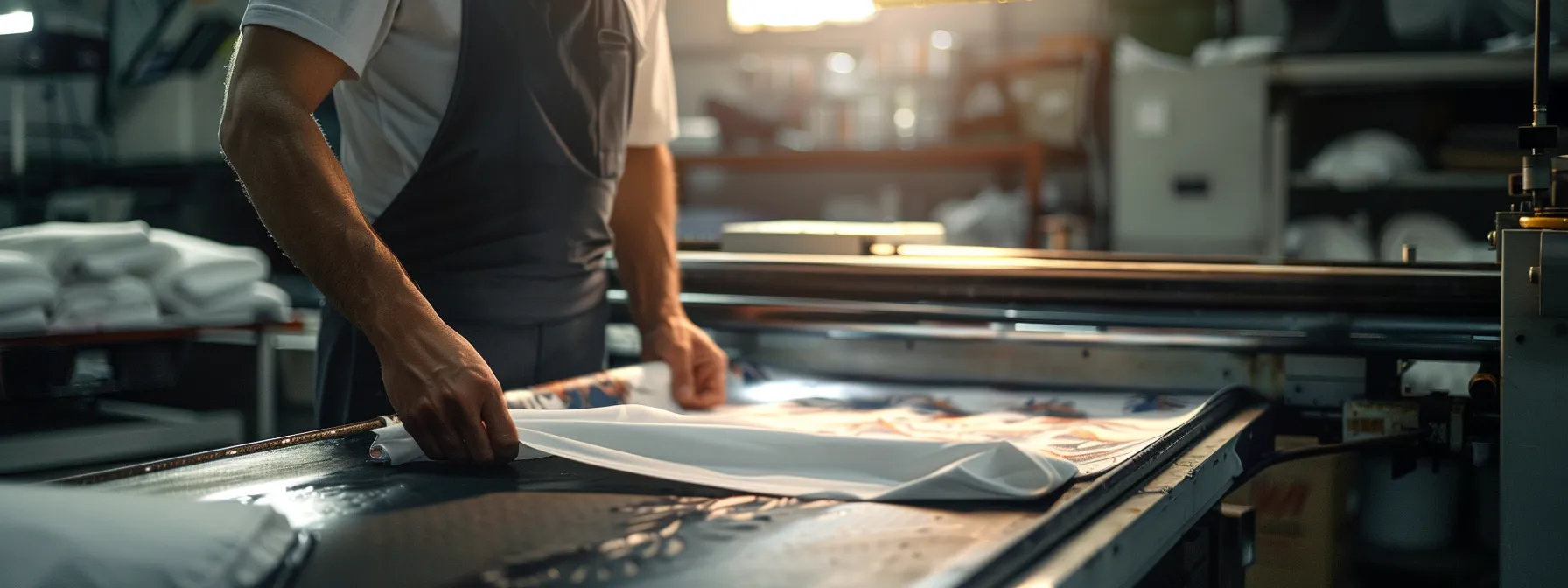
Applying a ready to press transfer is a straightforward process that involves heat and pressure to permanently affix a design to fabric. You’ll need a heat press machine that can reach the right temperature and provide uniform pressure across the transfer to ensure it adheres correctly and doesn’t peel or crack over time.
The procedure generally includes placing the transfer paper face down on the textile, pressing it with the heated machine for a set amount of time, and then peeling away the paper to reveal the design. It’s crucial to follow the specific instructions for temperature and time provided by the transfer manufacturer, as these can vary greatly.
For those new to the process, start with simpler designs on more forgiving fabrics, like cotton or polyester blends. Ensure your heat press is calibrated correctly, and experiment with pressure and time on test pieces to master the technique. Remember, practice makes perfect, and soon you’ll be pressing like a pro.
Selecting the Right Materials for Your Ready to Press Transfer Projects
To achieve top-notch results, selecting the right materials for your ready to press transfer projects is essential. This means choosing the appropriate transfer type and compatible fabric that will showcase the design while ensuring comfort and longevity.
Fabrics that have a smooth, flat surface, like tightly woven cotton or polyester, are ideal for heat transfers. They allow the design to adhere effectively and reduce the risk of uneven application. For the transfers themselves, factors to consider include the type of ink used, the durability of the adhesive, and whether they’re meant for light or dark fabrics.
It’s also worth investing in a quality heat press machine. A reliable heat press will provide consistent heat and pressure, which is crucial for a successful application. Be sure to balance your budget with the specifications you need for the types of products you plan to create. Doing your homework before making a purchase can save you time and money in the long run.
Maximizing Durability and Quality in Ready to Press Transfer Products
 To ensure that your ready to press transfer designs last, focusing on durability and quality is essential. These characteristics contribute significantly to customer satisfaction and the perceived value of your products.
Utilizing transfers that incorporate strong adhesives and quality inks can resist washing and normal wear. High-quality transfers should not crack, peel, or fade significantly over time. Moreover, the correct temperature and pressing time during application are paramount for creating a bond that lasts, as is allowing the design to cool properly before use.
A crucial step in maintaining quality is to provide proper care instructions to your customers. Advising on washing techniques, such as turning garments inside out and avoiding harsh detergents, can extend the life of the transfer. Additionally, consider offering a satisfaction guarantee to boost customer trust and stand behind the durability of your products.
In conclusion, ready to press transfers offer a dynamic and efficient way to produce custom apparel. By carefully selecting materials, understanding the application process, and focusing on durability, you can create products that are both visually striking and built to last. Whether for a business endeavor or a personal project, mastering ready to press transfers can lead to endless creative opportunities.
Leave a Reply
You must be logged in to post a comment.