
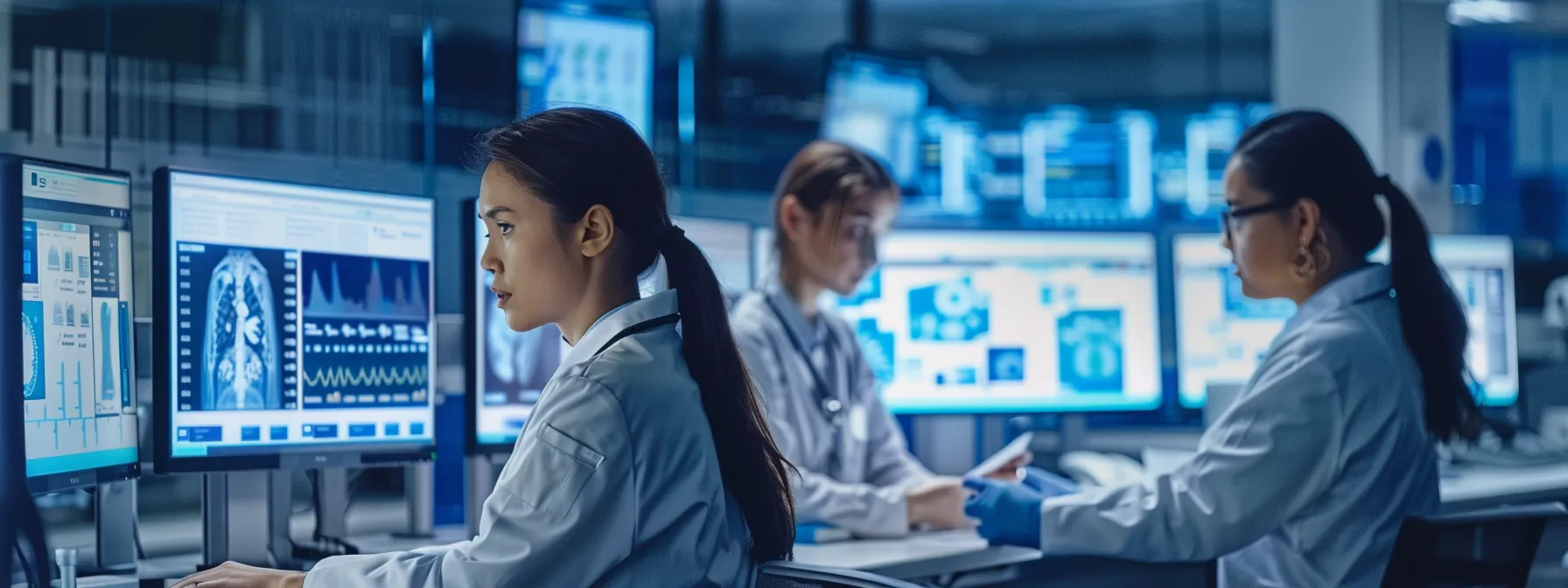
The integration of sophisticated software into healthcare practices has marked a significant shift in how patient care is delivered and managed. Studies have shown that the use of healthcare software can enhance diagnostic accuracy, streamline operations, and importantly, save lives by facilitating quicker interventions.
What's in this article:
This transformation is redefining patient engagements and therapeutic outcomes, making healthcare more accessible and efficient. As we delve deeper, we will explore the substantial improvements and the ways these tools can be maximized for better care delivery.
How Healthcare Software Enhances Patient Care Efficiency
The advent of healthcare software has notably increased the efficiency of care delivery, reducing waiting times and eliminating unnecessary administrative burdens. Healthcare providers can now access patient information and medical histories in real-time, allowing for quicker decision-making.
Automated appointment scheduling and reminders facilitated by these platforms reduce no-shows by up to 30%, according to healthcare industry analyses. This not only maximizes the utilization of healthcare resources but also ensures that patients receive necessary care without undue delay.
For healthcare facilities looking to implement such software, it’s vital to choose systems that are customizable and scalable. The ability to integrate seamlessly with existing workflows and the provision for future upgrades should be key considerations in their selection process.
Revolutionizing Patient Data Management with Advanced Software Solutions
Healthcare software is drastically transforming the way patient data is managed. By centralizing patient information and ensuring it’s easily accessible across different stakeholders, these solutions enhance both the efficiency and quality of care.
With advanced analytics tools, medical professionals can better understand patient trends and outcomes. These insights can lead to more personalized care plans and improved patient management strategies. Secure data exchange across platforms ensures compliance with health regulations and protects patient privacy.
When adopting new data management systems, healthcare providers should evaluate their security features and compliance with local and international data protection laws. Ensuring robust data encryption and secure access controls are critical to maintaining trust and safeguarding sensitive information.
Improving Patient Outcomes Through Real-Time Health Monitoring
Real-time health monitoring systems provided by healthcare software are pivotal in improving patient outcomes. These systems monitor vital signs and other health indicators, providing instant feedback and alerting healthcare professionals to potential health crises before they escalate.
Continuous monitoring has shown a reduction in hospital readmissions by as much as 20%, by allowing care teams to intervene proactively when patients are at risk. Healthcare software companies have contributed to this not only by improving patient safety but also by reducing the strain on healthcare facilities.
To maximize the benefits of real-time monitoring, healthcare organizations must ensure that the software they utilize is compatible with the latest wearable technology. Training staff on effectively using these systems is also crucial, as it enhances their ability to respond swiftly to the data provided.
Streamlining Communication Between Healthcare Professionals and Patients
 Effective communication is essential in healthcare, and software solutions are playing a significant role in streamlining interactions between patients and medical teams. These systems facilitate the easy exchange of information, allowing for better coordinated care and faster response times.
Patient portals that allow individuals to access their medical records, schedule appointments, and communicate with their providers contribute significantly to patient satisfaction. Moreover, these digital platforms help reduce communication barriers, which can be a significant obstacle in effective healthcare delivery.
Healthcare providers looking to enhance communication should focus on software that offers multi-language support and is accessible on various devices. Making technology user-friendly and accessible can greatly improve patient engagement and satisfaction levels.
Ultimately, the integration of sophisticated software in healthcare settings not only improves operational efficiencies but significantly enhances patient outcomes and satisfaction. Through smarter data management, real-time health monitoring, and better communication tools, these technologies are setting a new standard for healthcare delivery. Embracing these solutions will continue to be pivotal as technology evolves and healthcare demands intensify.
Leave a Reply
You must be logged in to post a comment.